What is septoplasty and who is it for?
The inside of the nose is divided into right and left sides by a wall of cartilage and bone called the septum. In many people this wall is not perfectly straight, and mild deviations often cause no symptoms at all. When the deviation is more pronounced, airflow narrows on one or both sides and breathing through the nose becomes difficult.
Septoplasty is the operation in which the bent parts of this wall are straightened or removed. Its aim is not to change the outer shape of the nose but to open the airway inside it. A deviated septum may be present from birth or may develop after an injury in childhood or adulthood; many people do not remember ever having hurt their nose.
Septoplasty is usually considered for adults whose symptoms affect daily life, whose blockage persists despite medical treatment, and whose examination shows that the septum is the main cause. In children and teenagers the nose is still developing, so the decision is made more cautiously and surgery is reserved for selected cases with clear functional problems.
What symptoms can a deviated septum cause?
The symptoms below may be linked to a deviated septum. The same complaints can also be caused by allergic rhinitis, enlarged turbinates, sinusitis or nasal polyps, which is why the decision is based on examination findings rather than symptoms alone.
- Persistent nasal blockage on one or both sides
- Mouth breathing, especially at night, and a dry mouth in the morning
- Snoring and frequent waking during sleep
- Recurrent nosebleeds
- Frequent sinus complaints or a feeling of pressure in the face
- Not getting enough air through the nose during exercise
- Long-term reliance on decongestant nasal sprays
Examination and diagnosis
Assessment begins with a detailed conversation: how long the blockage has lasted, whether it is one-sided, whether it changes with the seasons, which medicines and sprays you use, and whether you have had a nasal injury or previous surgery.
The front of the nose is then examined with a light (anterior rhinoscopy). When needed, a thin endoscope is used to look at the back of the nose, the turbinates and the sinus openings in detail. This shows which part of the septum is deviated and whether other structures are contributing to the blockage.
If you also have sinus symptoms, or if it is needed for planning, a CT scan may be requested. Allergies are also taken into account, because if only the septum is corrected and an allergy remains untreated, symptoms may continue.
Treatment options: non-surgical methods first
A deviated septum is a structural problem and does not straighten with medication. However, the swelling, allergy or infection that often accompanies it can improve considerably with treatment. For patients with mild symptoms or limited deviation, non-surgical options are tried first: saline rinses, steroid nasal sprays recommended by your doctor and, if needed, allergy treatment.
Decongestant sprays are meant only for a few days of use; used for longer, they can cause rebound swelling and dependence on the spray.
If blockage continues despite treatment and the examination shows a clear deviation, septoplasty is considered. If the turbinates are also enlarged, they can be reduced in the same operation using different methods. For patients who also have cosmetic concerns, septoplasty can be combined with rhinoplasty, so that one anaesthetic and one recovery period are enough.
How is the operation performed?
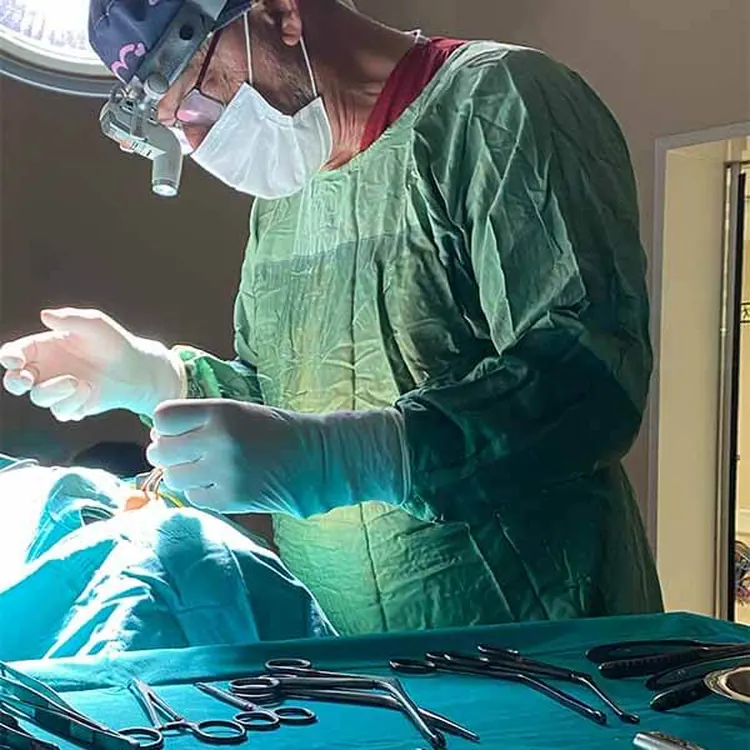
Septoplasty is usually performed under general anaesthesia. It generally takes around an hour; if additional procedures such as turbinate reduction, sinus surgery or rhinoplasty are planned, it takes longer. The exact duration is determined at the consultation.
The procedure is carried out through the nostrils, with no external incision on the face. The thin lining covering the septum is carefully lifted, the bent cartilage and bone are straightened or removed, and the lining is laid back in place. Certain parts of the septum are deliberately preserved to keep the nose properly supported.
At the end of the operation, thin silicone splints or packing may be placed inside the nose to hold the septum in position. Whether they are used and how long they stay is decided for each patient. Most patients go home the same day or the following day, depending on their general condition.
Recovery timeline
Recovery varies from person to person. The timeline below is a general guide; the personal instructions you are given take priority.
- Day 1A feeling of fullness, mild oozing and mouth breathing are expected. Rest with your head raised and take the pain relief you have been prescribed.
- First weekAny splints or packing are removed at a follow-up visit. Avoid blowing your nose, bending forward and lifting heavy objects. Most people can return to desk work within a few days to a week.
- 2–4 weeksSwelling inside the nose gradually goes down and breathing starts to open up. Saline rinses continue. Strenuous exercise and contact activities wait for your doctor’s approval.
- 1–3 monthsThe tissues inside the nose largely heal. For most patients the improvement in breathing becomes clearer during this period. Follow-up visits continue as planned by your doctor.
Risks and how they are reduced
Like every operation, septoplasty carries risks. These are discussed with you in detail before surgery.
- Bleeding: medicines that can increase bleeding are reviewed beforehand and, if needed, stopped under medical supervision. Following post-operative instructions lowers this risk.
- Infection: uncommon; treated with medication when necessary, and nasal hygiene matters.
- Septal perforation (a hole in the septum): care is taken to preserve the lining of the septum. Small perforations often cause no symptoms.
- Persistent blockage: nasal obstruction can have more than one cause, so the turbinates, allergies and sinuses are assessed before surgery.
- Adhesions, a temporary reduction in sense of smell or temporary numbness at the tip of the nose: usually temporary and monitored at follow-up visits.
- Change in nasal shape: reduced by preserving the supporting parts of the septum.
Dr. Karataş’s approach
Op. Dr. Hasan Karataş assesses nasal blockage without attributing it to a single structure: the septum, turbinates, sinuses and allergies are considered together. Surgery is recommended only when medical treatment is not enough and the examination findings support it.
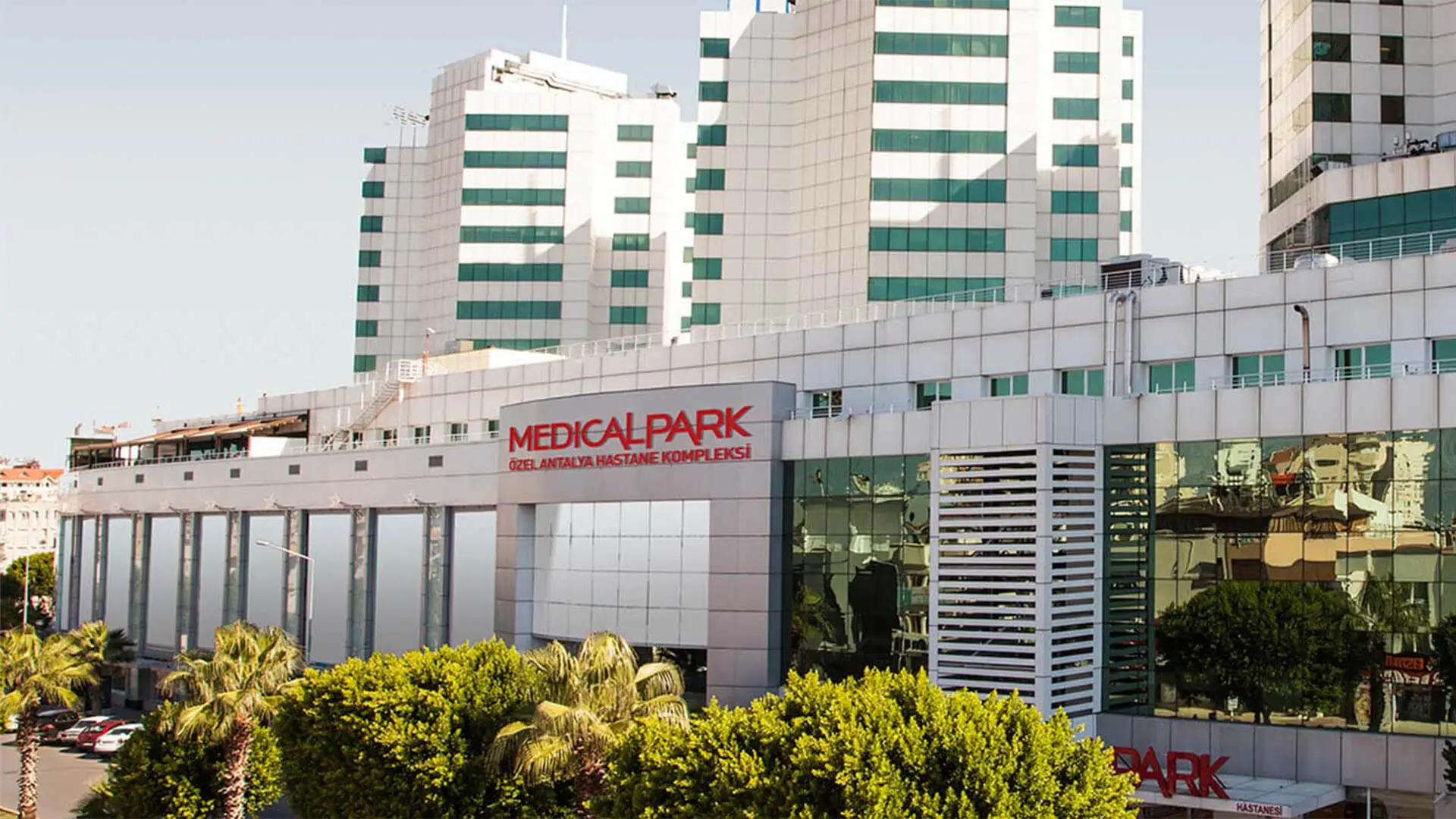
For patients who also have cosmetic expectations, breathing function and the appearance of the nose are planned together. Operations take place at Medical Park Antalya Hospital, and the process, follow-up visits and aftercare are explained clearly before surgery.
Frequently asked questions
Will septoplasty change how my nose looks?
Will my nose be packed after surgery?
Can a deviated septum be fixed with medication?
Will septoplasty stop my snoring?
Can turbinate reduction be done at the same time?
When can I exercise again?
The information on this page is for general guidance only; an examination is required for diagnosis and treatment. Results vary from person to person.