What is rhinoplasty and who is it for?
Rhinoplasty is an operation that reshapes the outside of the nose and, where needed, its internal structure. A dorsal hump, a wide or drooping tip, asymmetry or a nose that looks out of proportion with the face are common aesthetic reasons to consider it. In many patients these concerns come together with breathing problems such as a deviated septum or enlarged turbinates.
Anyone whose nasal growth is complete, whose general health allows surgery and whose expectations are realistic can be assessed for rhinoplasty. The aim is not to copy someone else’s nose, but to achieve a nose that is balanced with your own features and lets you breathe comfortably.
Common reasons people seek rhinoplasty
Reasons differ from person to person, and often several apply at once:
- A visible hump or bump on the bridge of the nose
- A wide, bulbous or drooping nasal tip
- A crooked or asymmetric nose seen from the front or side
- A nose that looks long, large or flat relative to the face
- Nasal blockage, mouth breathing or snoring
- Shape and breathing problems after an old nasal injury
Consultation and planning
At the first consultation your concerns and goals are discussed in detail. The outside and inside of the nose are then examined: the septum, the turbinates, how the nostrils behave when you breathe in, and the thickness of the skin. Skin type matters, because it affects how long swelling lasts and how finely the tip can be refined.
Photographs are taken from at least seven angles and reviewed together with you, so that it is clear which changes suit your face and are medically achievable. Chronic conditions, medications (especially blood thinners and herbal supplements) and smoking are discussed; blood tests and an anaesthetic assessment are arranged when needed.
Asking for a second consultation before deciding is entirely normal. The benefits, risks and limits of surgery are all covered at this stage.
Treatment options
Not every nasal concern has to be solved with surgery. For limited issues such as a slight dip on the bridge or small contour irregularities, non-surgical correction with filler may be an option. Filler does not make the nose smaller, does not remove a hump and does not improve breathing.
If the only problem is breathing caused by a deviated septum and there is no aesthetic concern, septoplasty alone may be enough. Conditions such as allergic rhinitis are usually treated with medication first. When both appearance and breathing are an issue, rhinoplasty and septoplasty are often done in the same operation.
How the operation is performed
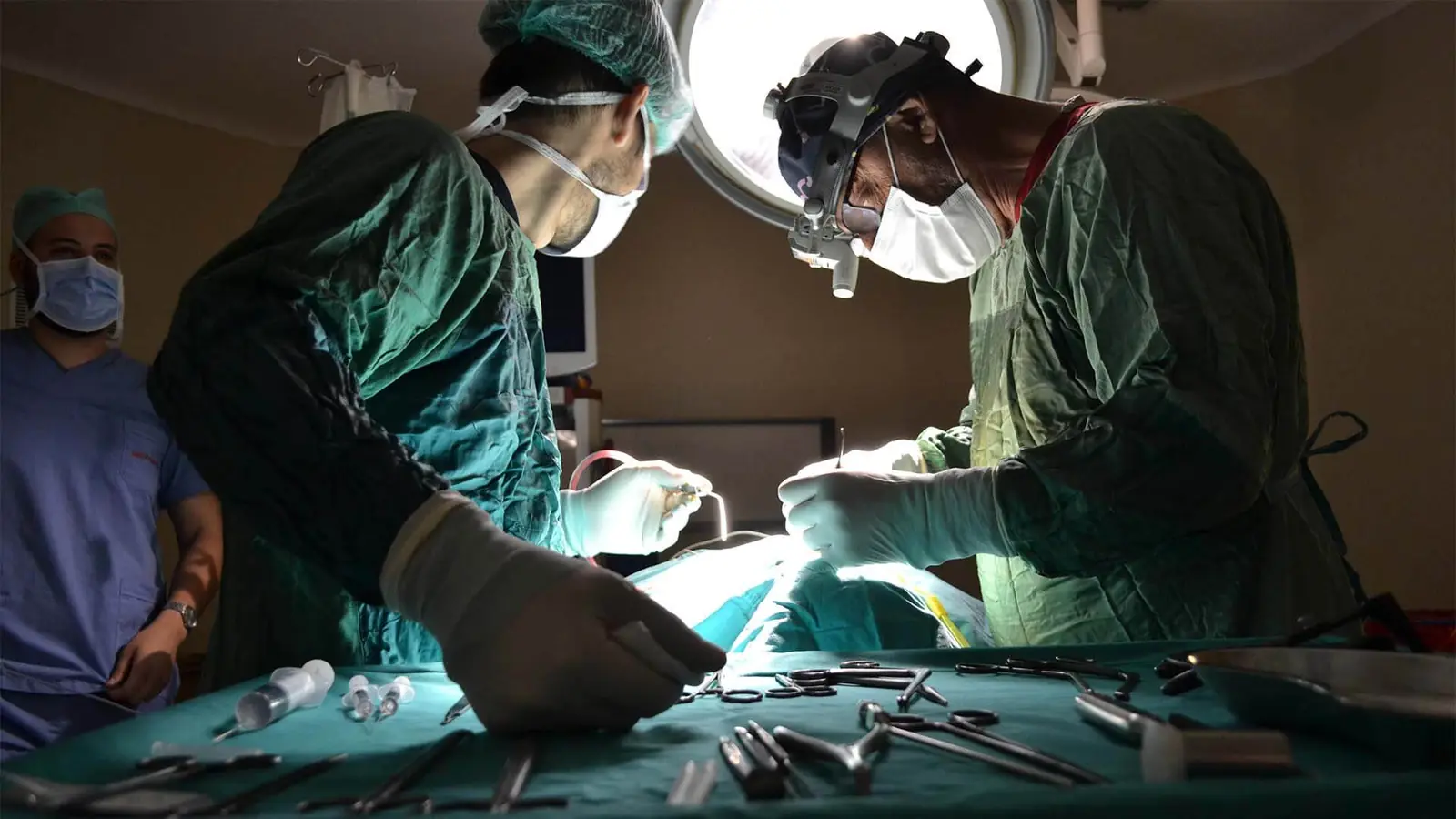
Rhinoplasty is performed under general anaesthesia at Medical Park Antalya Hospital. The operation takes around 3–4 hours on average and can take longer depending on the structure of the nose and the extent of the work. The priority is safety and the planned result, not speed.
Dr. Karataş generally prefers the open technique. A small incision of a few millimetres is made on the skin between the nostrils (the columella), so the tip cartilages and the framework of the nose can be seen directly while they are shaped. The incision usually becomes less noticeable over time; how it heals depends on your skin.
Depending on the plan, the hump is reduced, the nasal bones are repositioned, the tip cartilages are shaped and the septum is straightened if necessary. Where extra support is needed, cartilage from your own septum may be used. A protective splint is placed on the nose at the end of surgery.
Most patients go home the same day, usually 6–7 hours after the operation, with written care instructions and a follow-up appointment.
Recovery timeline
Healing varies between individuals. The timeline below is a general guide; your personal follow-up plan is set at your consultation.
- Day 1Swelling around the nose and eyes, some oozing and a blocked nose are expected. Rest with your head raised; pain is usually controlled with the prescribed medication.
- Week 1Bruising and swelling tend to peak in the first days and then start to settle. The external splint is usually removed at the follow-up visit around the end of the first week.
- Weeks 2–3Most bruising has faded and many people return to desk work and social life. The nose may still look swollen, especially in the morning.
- Months 1–3Swelling on the bridge reduces noticeably. Light exercise is resumed when your surgeon advises; you will be told when glasses and contact sports are safe.
- Months 6–12The last swelling at the tip slowly resolves and the nose settles into its final shape. In patients with thicker skin this can take up to a year or more.
Risks and how they are managed
Like any surgery, rhinoplasty carries risks. Most are temporary, but you should know about them before deciding:
- Swelling and bruising, which are expected and fade with time.
- Bleeding, usually light oozing; rarely it needs treatment.
- Infection, which is uncommon and treated with medication if it occurs.
- Temporary numbness or reduced sensation at the tip.
- Asymmetry or a shape that does not meet expectations.
- Breathing problems after surgery.
- In some patients, the need for a later correction (revision) operation.
Reducing the risks
Careful examination and planning, an ENT perspective that considers the inside of the nose as well as its appearance, adjusting blood-thinning medication under medical guidance and following aftercare instructions all help reduce risk. Smoking impairs healing and blood supply to the tissues, so stopping before and after surgery is strongly recommended. Contact your surgeon promptly if you have unexpected pain, increasing bleeding, fever or difficulty breathing.
Points to observe after surgery
- Sleep on a high pillow with your head above heart level.
- Do not blow your nose, bend forward or lift heavy objects.
- Avoid very hot tea, coffee and soup; do not chew very hard foods.
- Avoid very hot, steamy baths and keep showers short.
- Stay out of the sun and avoid sunbathing.
- Do not use aspirin or other medicines that may increase bleeding without consulting your doctor.
- Do not smoke; protect your nose from knocks.
- Because of swallowed blood, stools may be dark on the day of surgery and the day after; tell your doctor if this lasts longer than a few days.
This list is general information; the personal instructions given to you take precedence.
Dr. Karataş’s approach
Op. Dr. Hasan Karataş completed his ENT residency at Kartal Training and Research Hospital and has worked at several hospitals in Antalya; since 2017 he has seen patients at Medical Park Antalya. He treats rhinoplasty as an operation in which appearance and breathing are planned together.
Planning takes into account your expectations, the anatomy of your nose and your skin type. What can and cannot be achieved is discussed openly before surgery, and you are given time to make your decision.
Frequently asked questions
Can rhinoplasty and septoplasty be done in the same operation?
Will I have packing in my nose after surgery?
How long do bruising and swelling last?
I wear glasses. When can I wear them again?
When can I go back to sport?
Will my breathing improve after surgery?
The information on this page is for general guidance only; an examination is required for diagnosis and treatment. Results vary from person to person.